Gastronomy
For travellers who like to try the local cuisine when abroad, it will be difficult to resist the temptations offered by the cuisine of Vicenza and Veneto.
Food lovers will be able to enjoy so much more than just the traditional dish , Baccalà and Polenta. There are a wealth of tasty hams, cold meats, cheeses, grains, fruit and vegetables that come from our area – which is also the northern most olive oil producing region in Italy.
Lovers of fine wine and spirits will be able to indulge in a sublime selection of red and white wines that make a perfect accompaniment to meat, fish or game dishes. Other local delicacies that come highly recommended include prosecco, Spritz (the typical local aperitif), the many fruity Passitos (a local dessert wine) and the breathtaking variety of local grappas.
Also not to be missed is the opportunity to enjoy a sip of your favourite wine in one of the many bars and pubs, or why not try a meso meso on the old bridge in Bassano.
Baccalà alla Vicentina
Originally Baccalà was cod preserved in salt, but in Vicentina cuisine Stock fish is used, which is in fact Norwegian dried cod.
This dish first appeared on the tables of the Serenissima in the first half of the fifteenth century, following the shipwreck of Piero Querini off the coast of the Norwegian islands of Lofoten whose waters had always been noted for its richness in cod. The recipe became a staple in the diet on the mainland as a result of the edict passed by the council of Trento forbidding extravagant eating. Despite this ‘mangiar di magro’ (literally translated – thin eating) that was imposed on all Catholics by the church, nobles and doges continued to dine on the finest fish available.
After having been marinated for several hours in milk, onion, cheese, sardines and a liberal amount of olive oil Baccalà should then be served with Polenta, and a good crisp wine - we suggest Vespaiolo, Durello, or a red Tocai from the Berici hills.
Hams, salamis, and other cold meats
All the cold meats from the Vicenza region are pork based and traditionally were popular during the long hard days of Winter. One that stands out from all the rest is Sporessa Vicentina D.o.p which is made from the choicest cuts minced to a medium coarseness and left to mature from between five to 24 months. Also highly recommended are Berico-Eugenio ham (Produced between Montagnana, Sossano and Lonigo), sopressa investia (a kind of large sausage), Bondola con la lingua (a large sausage of tongue salmi traditionally eaten to celebrate the ascension). Other kinds of hams and cold meats include Coppa, pancetta, lardo, locally made sausages, luganeghe, cotechini and musetti.
Cheeses
The importance of cheese on the Venetian table is echoed in the old saying La boca no xe straca se no la sa de vaca (The palate can never be satisfied without the taste of cheese) Cheese at the end of a meal is still a ritual today in many of the region’s families and so it is not surprising that there is such a large variety to choose from.
Each type is as high in quality as the next, and it is sure all tastes can be catered for.
Those that particularly include a mention are: the famous Asiago D.o.p (found in three different varieties Pressato, allevo and alpeggio), and Vezzena cheeses produced on Mount Grappa, and in the Berici hills.
From the former we suggest Bastardo a fully flavoured soft sweet cheese, and Morlacco again soft, but with a distinctly salty taste.
From the latter selection we would recommend various goat’s cheeses such as: Tommasino a fresh cheese with a mildly acidic flavour, Bianco di Montegalda a soft matured cheese with a white crust, Verde di Montegalda made from a mix of goat’s and sheep’s cheese with a very pronounced flavour, and Erbe dei Berici a soft cheese covered with local aromatic herbs.
Cerals, fruit and vegetables
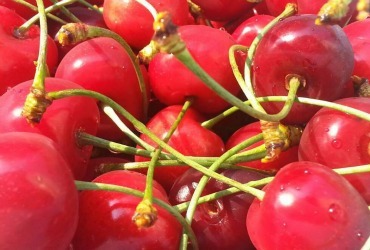
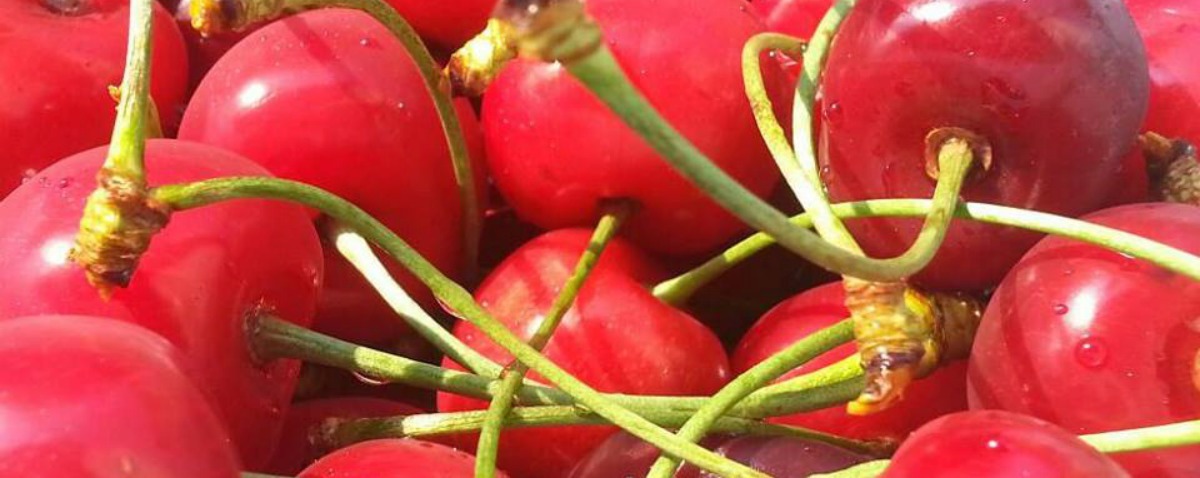
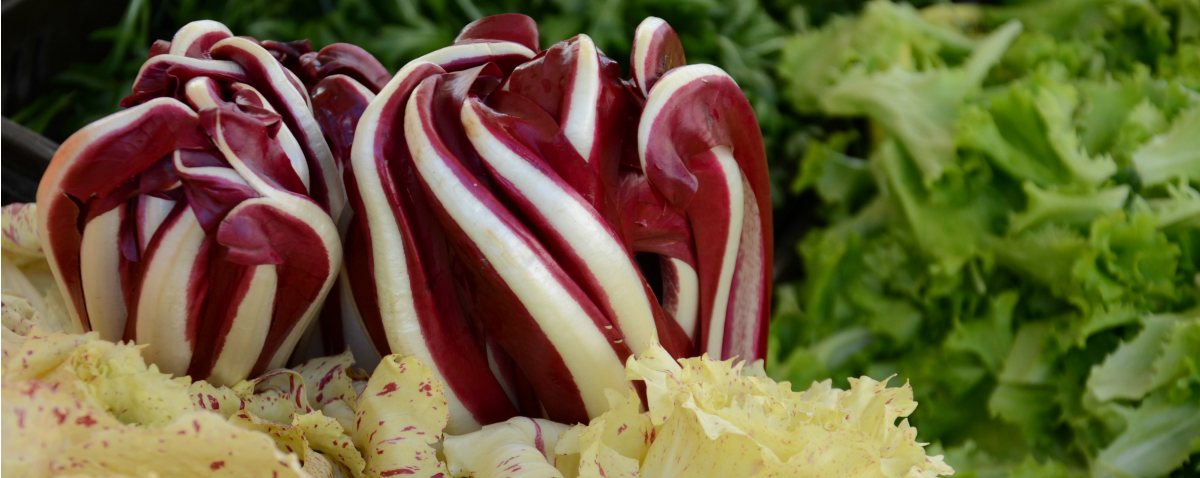
Certain products grown in our region have for some time attracted gourmets from all over Europe. To name but a few - Marostica cherries, Bassano white asparagus,(which if following local tradition should only be eaten in the period between St Joseph’s day (19th March) St Anthony’s day (13th June), and various radicchio (red cicory) such as those appearing late in the season from Treviso and Verona, red radicchio from Asigliano and the variegated variety from Castelfranco.
Also worth a mention are a number of other delicacies well worth a taste when visiting this corner of the world. Made famous by their annual appearance on the table of the Doge of Venice at the festival of Saint Mark are the peas grown in Borso del Grappa and Lumignnano. ‘Flowering’ broccoli from Creazzo which takes its name from the buds it carries, black truffles from the Berici hills, maize from Marano (perfect for making Polenta), potatoes from Rotzo, celery from Rubbio and last but certainly not least the extra virgin olive oil made in Pove del Grappa.
Wines
There are three D.o.c wine producing areas in Vicenza; Breganze in the ribbon of land between the piedmont hills; Gambellara on the boarders with the province of Verona, and the Berici hills in the south of the province.
If visiting the wine cellars of the area we recommend Vespaiolo (a perfect accompaniment to a few spears of white asparagus), Torcolato(a Passito wine made from the Vespaiolo grape),Durello (a white wine produced in the Chiampo Valley), Garganego (made from the grape of the same name and from which two renowned dessert wines are also made – Recioto and Vin Santo), and red Tocai (which due to its crisp falvour makes a good partner to Baccalà).
A trip just over the boarders of our province will lay open an even fuller discovery of Venetian oenology. The discerning wine taster will be able to sample from a array that ranges from Prosecco to Soave, and Amarone to Valpolicella.
Grappa
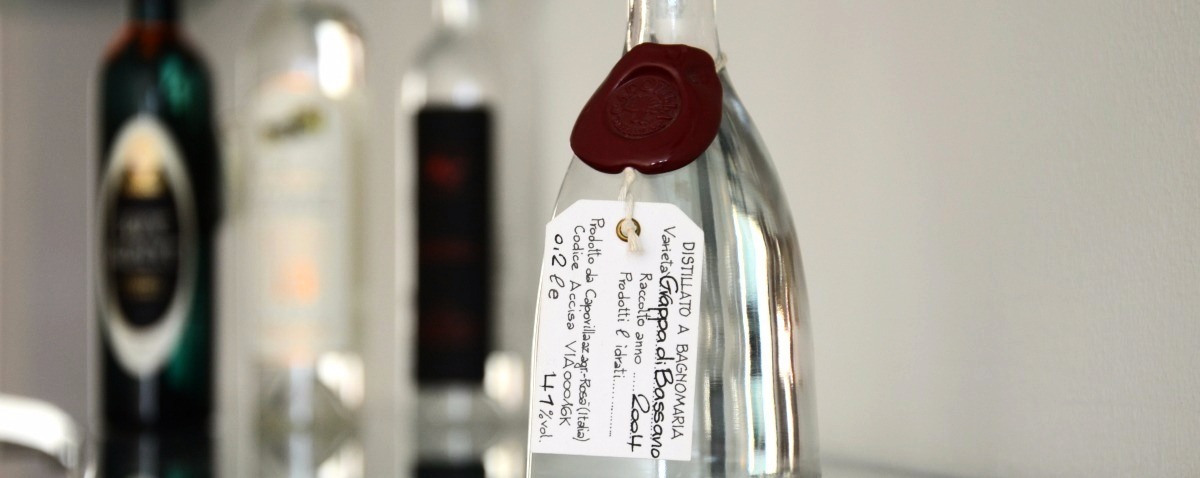
In a region such as ours it is difficult to refer to Grappa in the singular. Here where there is such a diverse selection available, each variety so different from the other, even the most particular palate will be appeased.
Made through a distillation of grape ‘leftovers’ from winemaking, grappa is left to mature for several months in traditional wooden barrels. Fruit, bark, roots and herbs are also sometimes added to aromatise the alcohol.
The number of different grappas is indeed vast and making a choice can seem almost impossible! We suggest trying a Bassanese favourite Tagliatella.
Albergo Due Mori - Corso Giuseppe Mazzini, 73/75 - 36063 Marostica - Vicenza - Italy - Tel. +39 0424 471777
Copyright ©2009-2010 Getual srl