

+39 0424 471777
PALLADIO TOUR - from Vicenza to medieval walled towns and Palladian villas
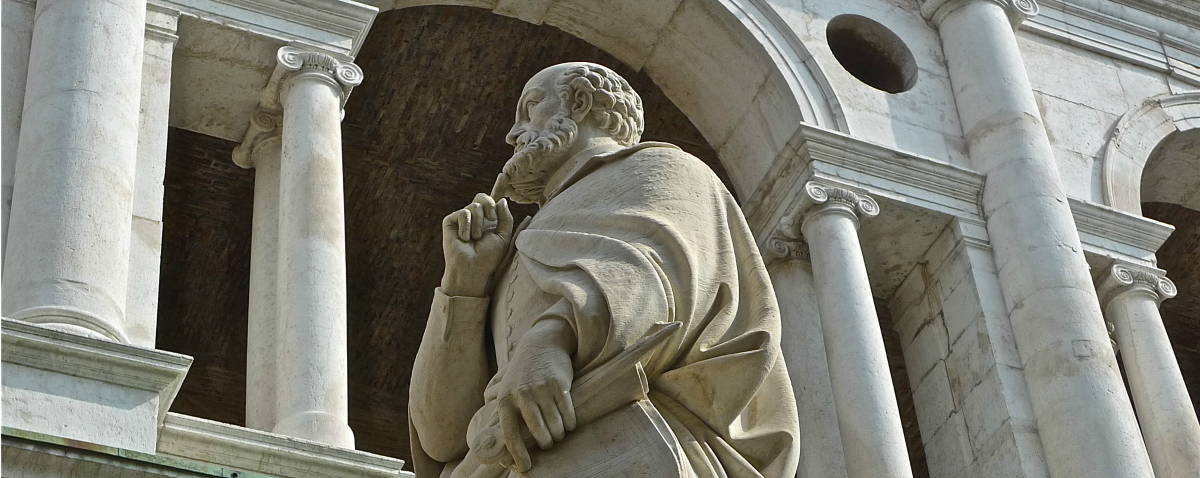
When it comes to architecture Andrea Palladio is a real star, so much so that he is the only architect in the world who gave his name to a style: Palladianism. Since the 16th century this style has been used in so many different private and public buildings all around the world: the White House in Washington is just one of them...
Still today in Vicenza and its province everything refers to Palladio but, if you love Italian art and culture, you can admire masterpieces of many other artists. You can even ask Monica Facchini to be your guide for a private customised day tour.
VICENZA, WORLD HERITAGE SITE
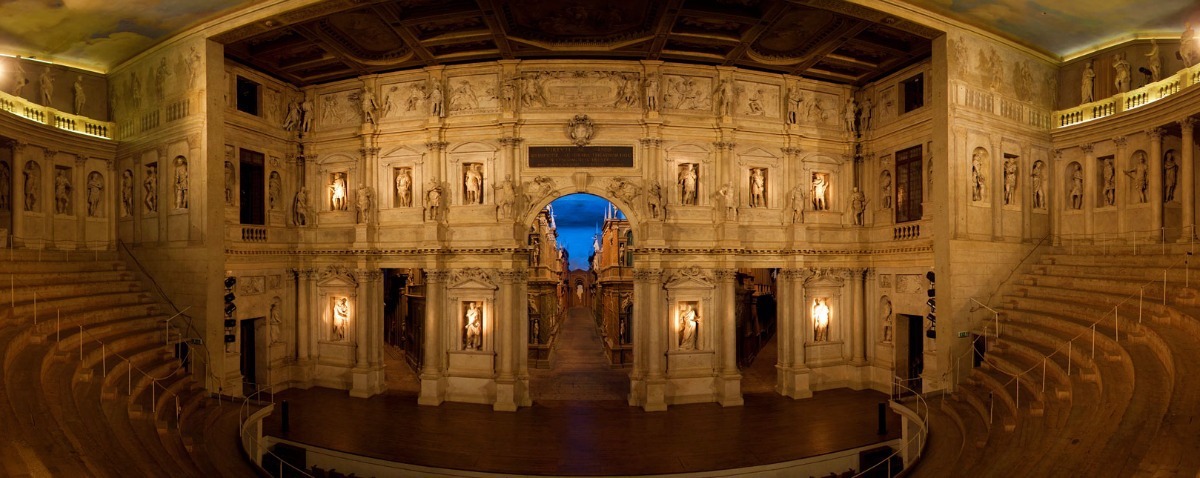
- The Olympic Theatre, the Basilica and Villa La Rotonda must not be missed by those visiting the The City of Andrea Palladio for the first time. Many of the buildings designed by the famous architect are in the historical centre, close to other beautiful gothic Venetian style mansions. In the city there are also wonderful art collections inside Palazzo Chiericati, Palazzo Vescovile, Palazzo Leoni Montanari and in the Church of Santa Corona. Last but not least, a visit to the Basilica of Monte Berico and to the Tiepolo's frescoes in Villa Valmarana ai Nani is an absolute must!PALLADIAN VILLAS AND MEDIEVAL WALLED TOWNS
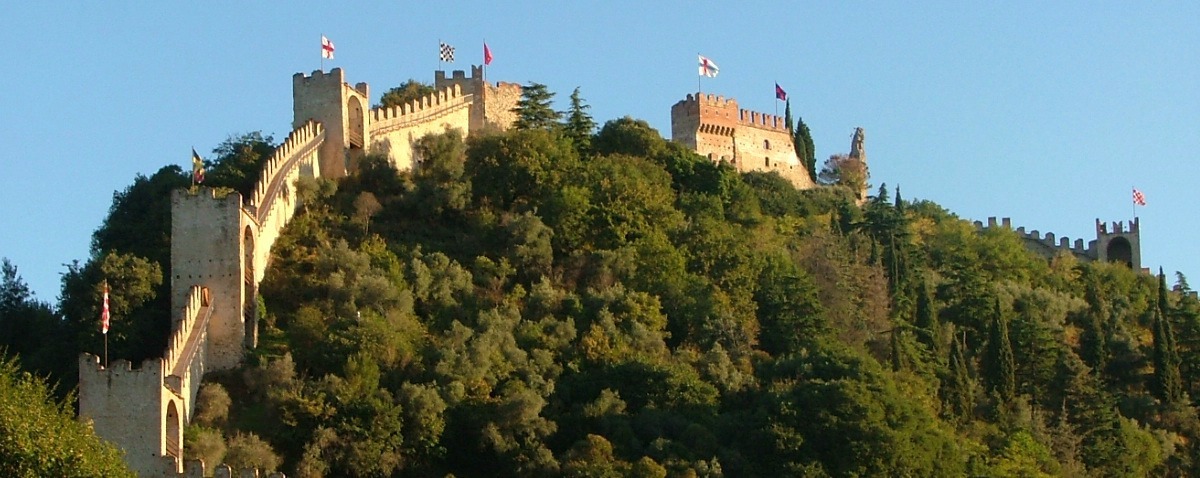
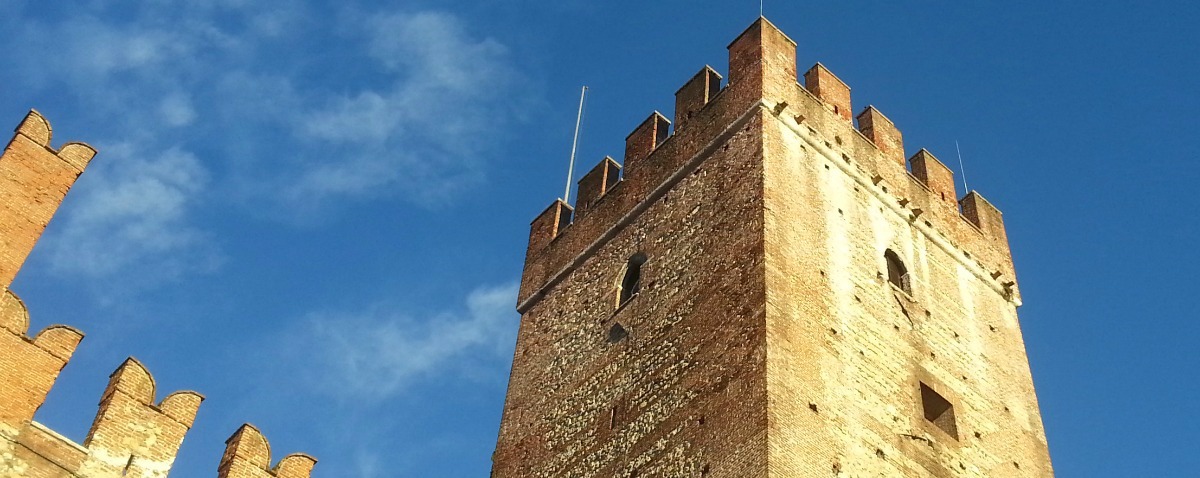
– If you are having a holiday, even a short one, around Venice you really must visit a walled medieval town and a Palladian villa.Among the many suggestive medieval towns close to Marostica, we recommend you visit:
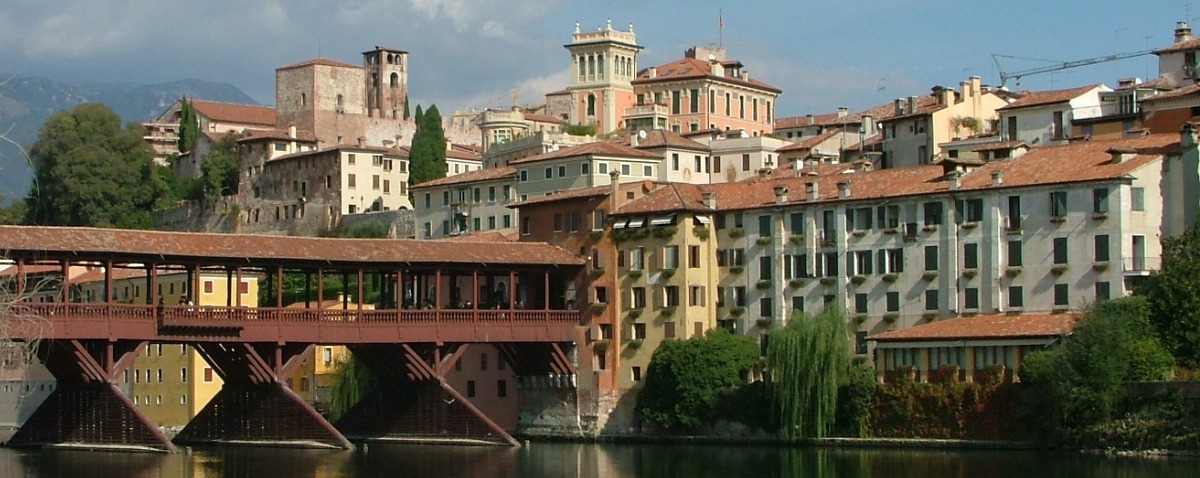
- Bassano del Grappa, with the famous wooden Palladian bridge, its lively squares, the memories of the First World War and the original Grappa Museum
- Asolo, the city of a hundred horizons, with its Rocca (castle) and that maze of lanes so dearly loved by Robert Browning and other famous artists and travellers
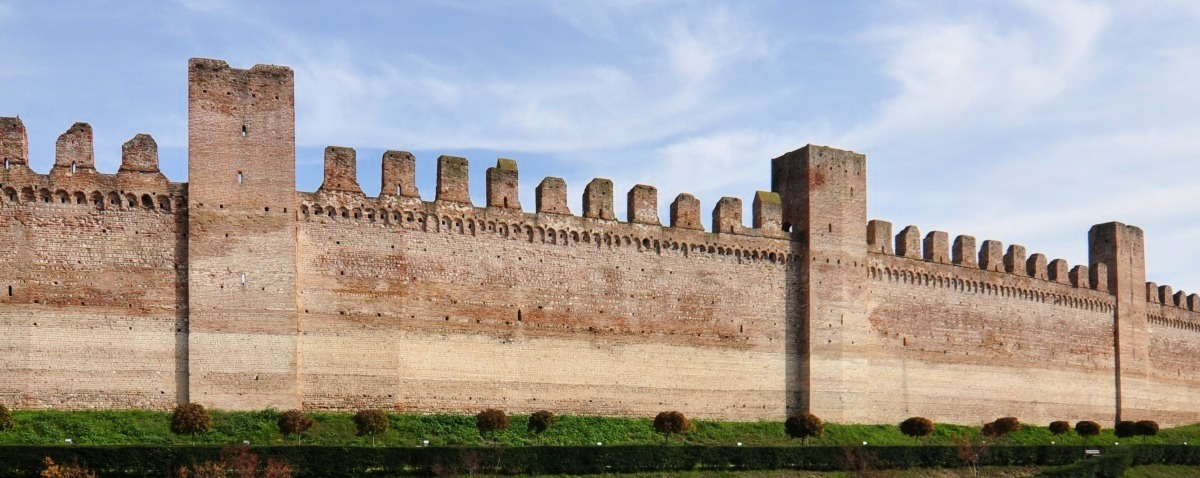
- Cittadella, where you can walk all the way round the top of the huge medieval city walls
Among the venetian villas, you mustn’t miss:
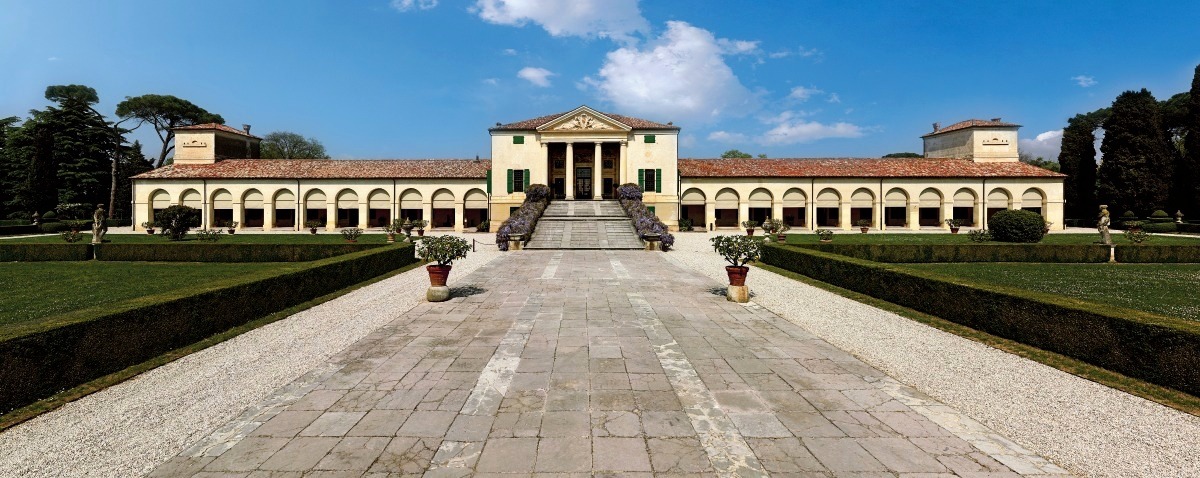
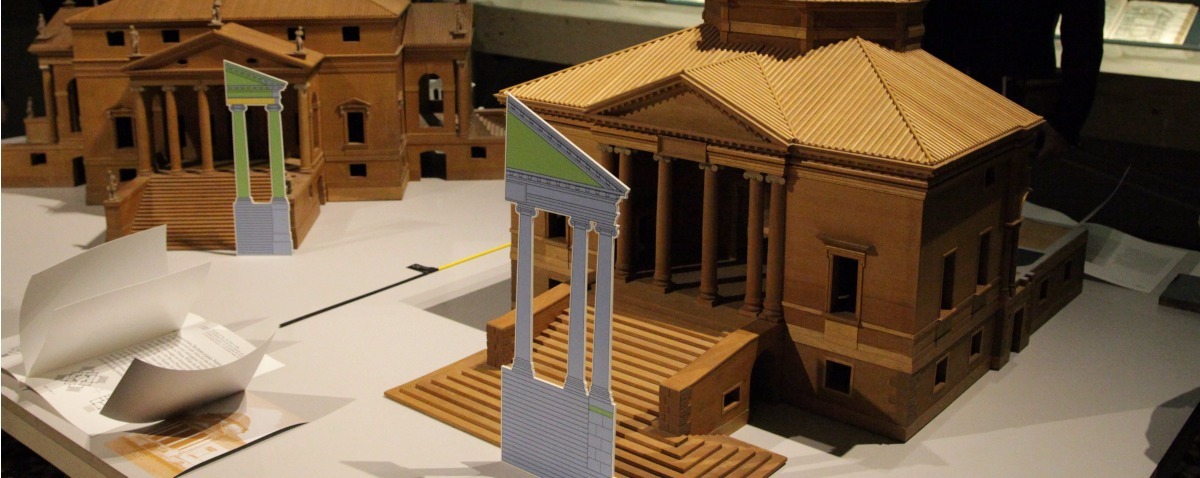
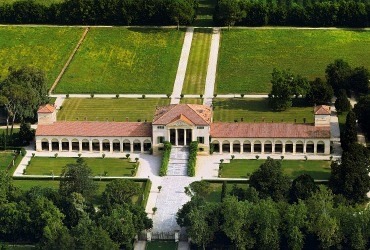
- Villa La Rotonda in Vicenza; designed by Palladio, it inspired Lord Burlington for the design of Chiswick House as well as many other architects in the world
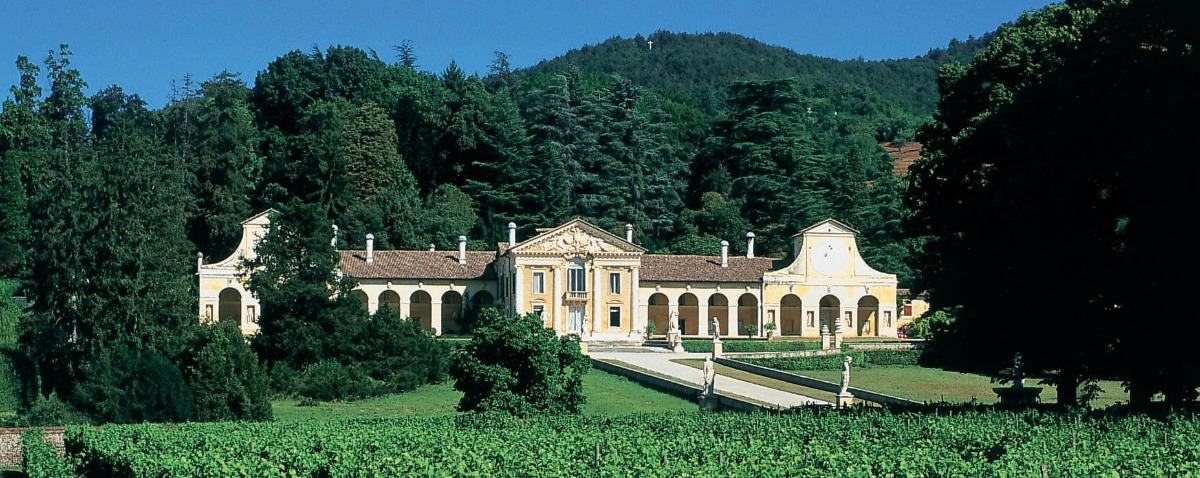
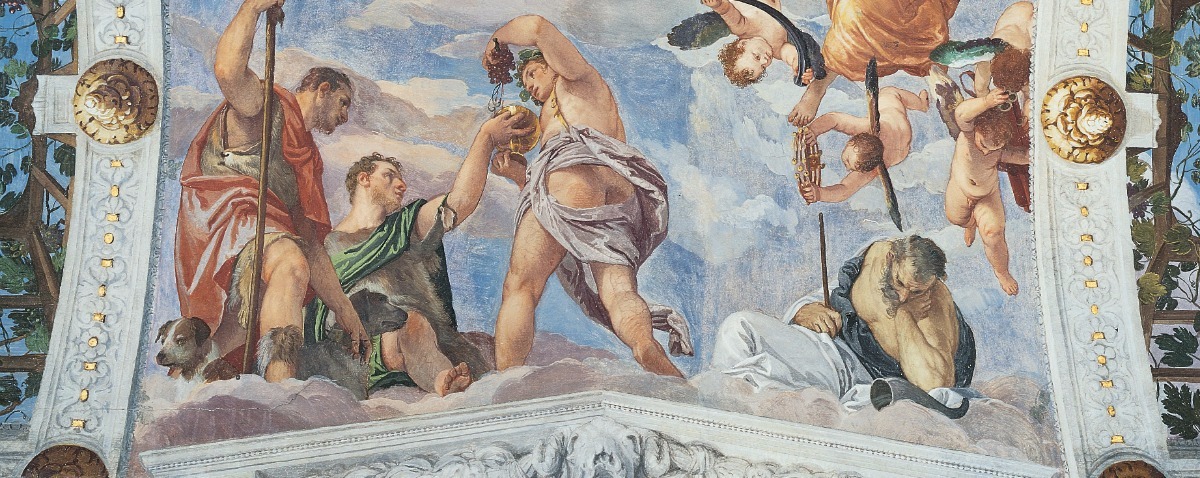
- Villa Barbaro in Maser; created by Palladio and wonderfully frescoed by Paolo Veronese
- Villa Valmarana ai Nani in Vicenza, with the amazing frescoes painted by Tiepolo in the 18th century.
PAINTERS, SCULPTORS AND ARCHITECTS
– If you love art and architecture, within 30 kilometres from the hotel you can admire the masterpieces of:- Antonio Canova – the most famous neoclassical sculptor
- Giorgione – Titian's master
- Paolo Veronese and Jacopo Bassano – the “great” Renaissance painters in the Venetian Republic
- Giambattista Tiepolo – the most famous 18th century painter from Veneto
- Russian painters - in the widest European collection of Russian icons
- Carlo Scarpa – one of the most important Italian 20th century architect and designers
- Massimiliano Fuksas – the architect of Nardini Bolle
THE TRAILS OF THE GREAT WAR
– One of the most touching moments of your holiday in Italy might well be visiting the battle fields of the Great War, 100 years after it began.We recommend:
- Bassano del Grappa, with the old bridge and museum dedicated to Alpine Troups, the Tempio Ossario, the Hemingway and First World War museum
- Asiago Plateau, with trenches, military fortifications, the impressive war memorial and the places where Ermanno Olmi's movie “Greenery Will Bloom Again” were shot
- Mount Grappa, a sacred mountain for Italy, where also Ernest Hemingway and John Dos Passos served as volunteers during the war


BOOK ON THIS SITE
Only here you can find:
Only here you can find:
- Best available rates and offers
- Buffet Breakfast included in the rate
- free private parking space
- Free city bike
- children stay for free up to 3 years old
5 GOOD REASONS
to choose Due Mori
to choose Due Mori
- It is the only hotel inside Marostica’s medieval walls
- Rooms with a view of the medieval town and castles
- Monica is a professional tourist guide
- Wide rooms furnished with natural materials
- Private car park and city-bikes

FOLLOW US ON

RACCOMANDATO DA